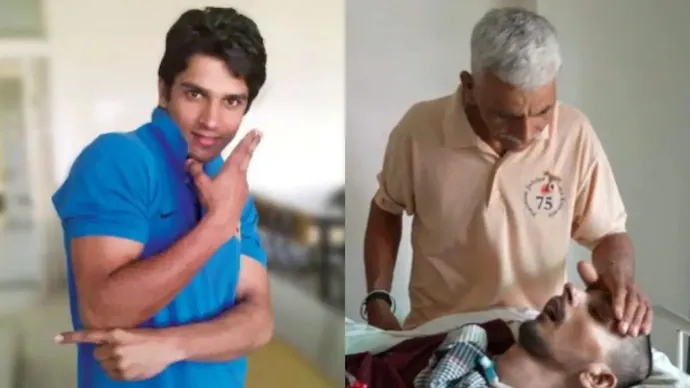
In a deeply emotional and historic case, the Supreme Court of India allowed the withdrawal of life-sustaining treatment for Harish Rana, a 31-year-old man from Ghaziabad who had remained in a permanent vegetative state (PVS) for 13 years.
Rana suffered catastrophic head injuries in 2013 after falling from the fourth floor of his Delhi PG accommodation. The accident left him with complete quadriplegia and severe brain damage. Since then, he has remained bedridden and dependent on medical tubes for breathing and nutrition.
Medical boards consistently confirmed that his chances of recovery were extremely remote. Over the years, his parents and younger brother faced immense emotional distress and financial strain while caring for him.
With heavy hearts, the family eventually approached the Supreme Court requesting permission for passive euthanasia, arguing that continuing life-support was prolonging suffering without hope of recovery.
Court Proceedings
The case was heard by a bench comprising Justice JB Pardiwala and Justice KV Viswanathan. The family’s plea relied heavily on the 2018 landmark ruling in the Aruna Shanbaug case, which recognized passive euthanasia under strict guidelines.
The court carefully reviewed medical reports, consulted experts, and sought the Centre’s views before proceeding. On January 15, 2026, the bench reserved its judgment after detailed hearings.
During the proceedings, the judges acknowledged the sensitivity of the issue and praised legal representatives, including advocate Rashmi Nandkumar, for their thorough research and thoughtful arguments on this complex matter.
Supreme Court Verdict
On March 10–11, 2026, the Supreme Court delivered a historic verdict allowing Harish Rana’s family to withdraw life-sustaining treatment.
The bench emphasized several critical factors before granting permission:
Medical boards confirmed almost no chance of recovery.
The patient had remained in a permanent vegetative state for over a decade.
The family unanimously supported the decision.
Strict legal and medical protocols were followed.
This judgment is now considered a major step forward in India’s evolving jurisprudence on the right to die with dignity.
Broader Impact on Indian Law
The ruling has revived national discussions about end-of-life care and legal rights of patients in irreversible medical conditions.
While passive euthanasia—withdrawal of life support—is allowed under strict guidelines in India, active euthanasia remains illegal.
The judgment may also encourage greater awareness of living wills, legal documents that allow individuals to specify medical decisions in case they become unable to communicate in the future.
Legal experts believe the case could become an important precedent for future petitions involving patients in permanent vegetative states.
Ethical Debate Around Euthanasia
The case has also reignited ethical debates worldwide. Some argue that allowing withdrawal of life support respects human dignity and prevents prolonged suffering.
Others worry about potential misuse and stress the need for strict legal safeguards.
Countries like the Netherlands and Belgium allow broader forms of euthanasia, while many nations—including India—permit only passive forms under regulated conditions.
Conclusion
Harish Rana’s 13-year medical struggle has now become a defining moment in India’s legal and ethical discussions around end-of-life rights.
The Supreme Court’s decision highlights the importance of compassion, careful legal oversight, and respect for human dignity in some of life’s most difficult situations.