“Not Just a Date, A Sacrifice Etched in the Nation’s Heart.”
While much of the world marks February 14 as Valentine’s Day, India observes it as Black Day — a solemn reminder of the 2019 Pulwama terror attack that claimed the lives of 40 brave CRPF jawans. Seven years later, the nation continues to honor their sacrifice and renew its resolve against terrorism.
On February 14, 2019, around 3:15 PM, a deadly suicide attack shook the nation in Pulwama district of Jammu & Kashmir. A convoy of 78 CRPF vehicles carrying over 2,500 personnel was traveling from Jammu to Srinagar on the Jammu-Srinagar National Highway.
In Awantipora, a terrorist rammed an explosives-laden SUV into one of the buses, instantly killing 40 CRPF jawans — making it one of the deadliest attacks on Indian security forces.
Inside the Pulwama Attack
The attacker was identified as Adil Ahmad Dar, a local recruit.
Pakistan-based terror outfit Jaish-e-Mohammed (JeM) claimed responsibility.
A video of the attacker confessing to the suicide mission was released.
Intelligence agencies had issued 11 alerts about potential threats.
The large convoy size, due to prior highway closures, increased vulnerability.
The tragedy triggered nationwide grief, anger, and a collective call for justice.
India’s National Response
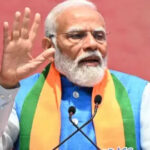
The Pulwama attack led to massive protests, candlelight vigils, and tributes across India. Prime Minister Narendra Modi assured the nation that the sacrifice would not go unanswered and granted armed forces full operational freedom.
India also took diplomatic steps, isolating Pakistan internationally and intensifying counter-terror efforts.
Balakot Airstrike: A Strategic Shift
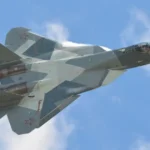
On February 26, 2019, the Indian Air Force carried out the Balakot airstrike targeting terror camps in Pakistan’s Khyber Pakhtunkhwa region. This marked a significant shift in India’s counter-terror doctrine — moving from strategic restraint to proactive response.
The operation signaled India’s readiness to act beyond borders against terrorism.
Global Reaction & Diplomatic Fallout
The attack strained India-Pakistan relations severely. India accused Pakistan of harboring and supporting terror groups. Globally, leaders condemned the attack while urging restraint to avoid escalation.
India also banned Pakistani artists from its film industry and suspended diplomatic engagement channels.
7th Anniversary Commemorations in 2026
As India observes the 7th anniversary in 2026, tributes pour in across social media and news platforms. Memorial ceremonies are being held nationwide.
The memorial at Lethpora CRPF camp stands as a powerful symbol of sacrifice. Inscribed with the names of the martyrs and the CRPF motto “Seva and Nishtha”, it reminds every visitor of the cost of national security.
Families of the martyrs, fellow soldiers, and citizens continue to honor their courage and sacrifice.
Legacy of Pulwama: Stronger Security & National Resolve
Seven years later, Pulwama remains a turning point in India’s security strategy. Enhanced convoy protocols, better intelligence coordination, and stronger counter-terror measures reflect lessons learned from the tragedy.
February 14 in India is no longer just a date — it is a reminder of sacrifice, unity, and the nation’s unwavering stand against terrorism.
The martyrs of Pulwama are not just headlines of history — they are eternal guardians of India’s courage. 🇮🇳