North Korea launched around 10 ballistic missiles on March 14, 2026, directing them toward the Sea of Japan in a dramatic escalation of regional tensions. According to South Korea’s Joint Chiefs of Staff, the missiles were fired from the Sunan area near Pyongyang.
This marks the third missile-related incident reported this year, signaling an intensification
in military activity on the Korean Peninsula.
2. Key Details of the Launch
The missiles reportedly traveled approximately 340 kilometers before landing in waters
outside Japan’s Exclusive Economic Zone (EEZ). Japan’s Defense Ministry confirmed that the
projectiles splashed down safely into the sea without causing damage or injuries.
However, the scale of the launch raised alarms across the region. Typically, North Korea fires one to three missiles during such tests, but this larger volley triggered immediate alerts
from defense agencies in Japan and South Korea.
Japan’s Coast Guard later verified that the missiles had landed in the sea, easing concerns about
potential overflight or direct threat to populated areas.
3. Context Behind the Launch
The timing of the launches coincides with the ongoing Freedom Shield military exercises
conducted jointly by the United States and South Korea. These drills are designed to
strengthen defense coordination and readiness between the allies.
Pyongyang has repeatedly condemned these exercises, labeling them as provocative and warning they
could lead to “serious consequences.”
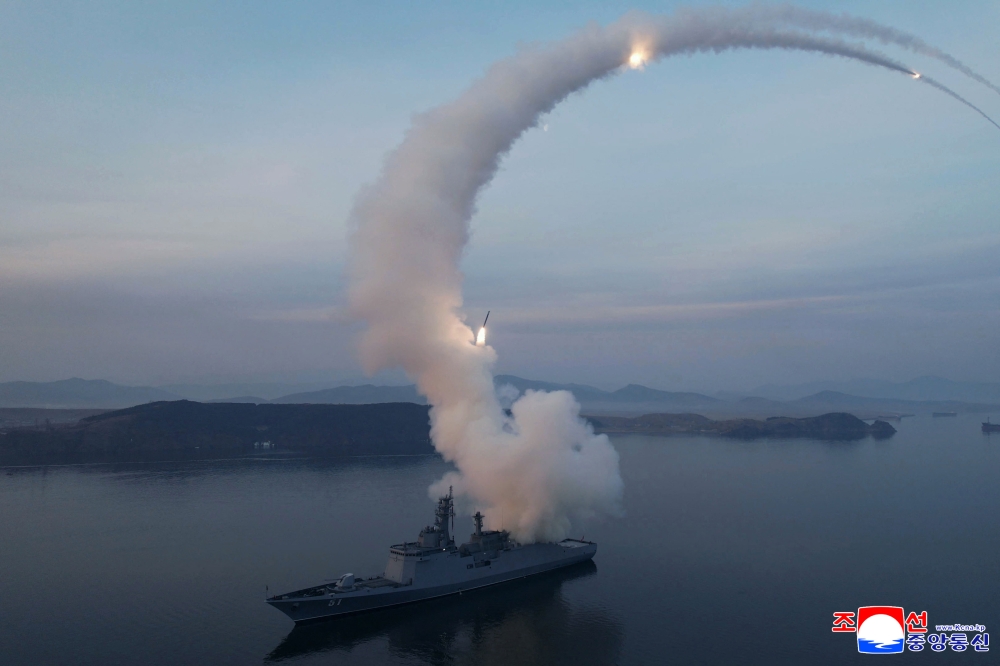
The latest launch follows another significant military development earlier this week. On March 10, North Korea conducted a cruise missile test from a newly developed destroyer,
highlighting its ongoing efforts to modernize naval capabilities.
4. Regional Reactions
Following the launch, South Korea immediately strengthened surveillance and defense readiness.
Japan also issued maritime safety warnings to ships operating in nearby waters.
Meanwhile, the United States military in the region monitored the situation closely and
reported that the missiles posed no immediate threat to allied territories.
Analysts say the timing is politically sensitive. It comes shortly after South Korean Prime Minister Kim Min-seok met with US President Donald Trump in Washington
to discuss potential pathways for renewed diplomatic engagement with North Korean leader Kim Jong Un.
5. What It Means for Global Security
North Korea’s missile activity underscores ongoing tensions and stalled diplomatic progress since
the 2018–2019 summits between the United States and North Korea.
Security experts warn that the Korean Peninsula remains one of the most fragile geopolitical
flashpoints. While no immediate escalation has occurred, the missile launches highlight
North Korea’s continued commitment to advancing its strategic and nuclear capabilities.
With diplomatic discussions still uncertain and military drills ongoing, regional powers are
expected to maintain heightened vigilance in the coming weeks.