
Modi on Israel-Iran War: India’s Big Strategy for Economy & Energy

Modi

Global Tensions Rise, India Stands Strong & Prepared!

📌 Table of Contents


🌍 Modi’s Statement on Conflict

Prime Minister Narendra Modi addressed the Lok Sabha on March 23, 2026, highlighting India’s position on the rising Israel-Iran tensions.
He emphasized that India believes in peace, stability, and rule of law, with no permanent alliances.

Modi confirmed that India is closely monitoring global developments, especially the impact on oil prices, shipping routes, and supply chains.
He assured that diplomatic engagement with all sides will continue to protect Indian citizens and maintain critical trade links.

⛽ Economic & Energy Focus

The Prime Minister stressed that energy security and inflation control remain top priorities.
With rising crude oil risks, the government is focusing on:

  • Diversifying crude oil import sources
  • Strengthening strategic reserves
  • Ensuring fertilizer and fuel availability
  • Building buffers for essential goods

He also highlighted long-term plans like clean energy investments, better logistics, and boosting domestic manufacturing to reduce global dependency.

🏛️ Political Messaging

Modi criticized opposition parties for spreading fear about the economic impact of the conflict, calling it “panic-driven politics.”
He stated that current policies have made India a stable growth engine, unlike past vulnerabilities.

At the same time, he reassured citizens that the government will control inflation, support farmers, and ensure uninterrupted supplies even during global uncertainty.

🔎 Overall Takeaway

The speech combined strong foreign policy with economic reassurance.
Modi positioned India as a resilient and self-reliant nation capable of handling global crises through strategic planning and diplomacy.

The address aimed to calm markets, reduce public anxiety, and reinforce India’s role as a key global player amid geopolitical shifts.

Read more

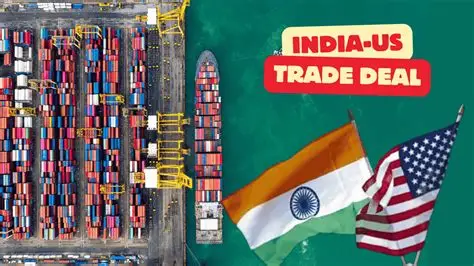
India-US Trade Deal Breakthrough: Tariffs Slashed, Trade Boosted

India-US Trade

“Lower Tariffs, Stronger Ties, Bigger Trade Future”


Table of Contents

Deal Announcement

The India-US trade relationship hit a major milestone as US President Donald Trump announced a new trade agreement on February 1–2, 2026.
The pact reduces reciprocal tariffs on Indian exports from 25% to 18%, marking a significant relief for Indian businesses.

President Trump revealed the breakthrough on Truth Social, crediting his personal rapport with Prime Minister Narendra Modi for accelerating negotiations.
Both leaders described the agreement as a key step toward achieving $500 billion in bilateral trade by 2030.

Tariff Reductions Explained

Before the agreement, Indian goods faced steep 50% US tariffs imposed in August 2025—25% reciprocal duties plus 25% punitive tariffs linked to India’s Russian oil imports.

Under the new deal:

  • Tariffs on Indian exports drop sharply to 18%
  • Major relief for sectors like textiles, chemicals, seafood, and engineering goods
  • India commits to gradually reducing Russian oil purchases
  • Increased imports of US energy, technology, agriculture, and coal

Negotiation Background

Negotiations gained momentum after President Trump’s re-election in 2025. Multiple rounds of talks in Washington and New Delhi laid the foundation for a comprehensive Bilateral Trade Agreement (BTA).

Commerce Minister Piyush Goyal stated in January 2026 that no major obstacles remained. The Economic Survey 2026 also projected an imminent closure, backed by high-level diplomatic visits from both sides.

Economic & Strategic Impact

Experts believe the agreement will:

  • Strengthen global supply chains
  • Lower costs for exporters, businesses, and consumers
  • Boost investments in energy, technology, and manufacturing
  • Deepen strategic cooperation amid global economic uncertainty

India emerges as an early beneficiary of Trump’s renewed trade strategy, avoiding broader tariffs imposed on other partners.

What This Means Going Forward

Officials from both nations emphasize that the deal is mutually beneficial, without compromising sensitive areas like farm subsidies.
With tariffs reduced and market access widened, the agreement sets the stage for a stronger, more balanced India-US economic partnership in the coming decade.

This trade deal signals a new phase of cooperation—where diplomacy meets economic opportunity.


Read more