
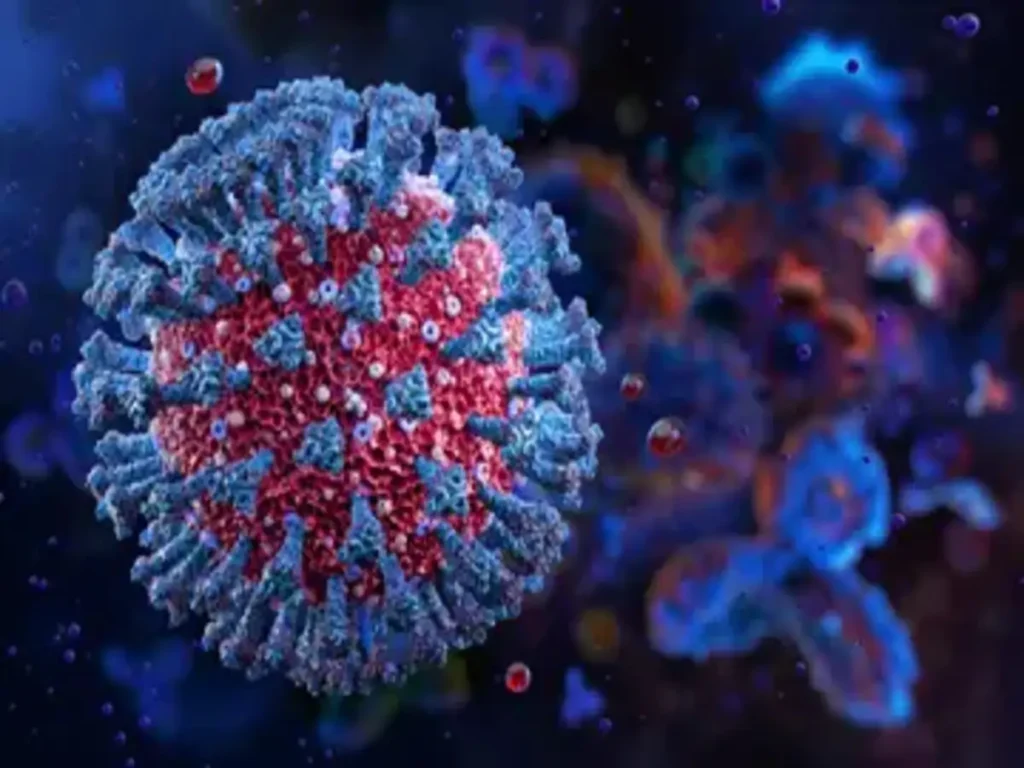
New Variant, Low Threat: Stay Alert, Not Alarmed!
📌 Table of Contents
🌍 Overview
A new COVID-19 subvariant, BA.3.2, nicknamed “Cicada”, has emerged globally after years of low activity.
First detected in South Africa in November 2024, it has now spread to over 20+ countries by March 2026, including the US, Europe, and Australia.
The World Health Organization has classified it as a “variant under monitoring”, with no evidence of increased severity so far.
🧬 Key Characteristics
- Descendant of the Omicron BA.3 lineage.
- Contains 70–75 spike protein mutations, higher than previous variants.
- Shows partial immune evasion, increasing reinfection chances.
- Currently a small fraction of global COVID cases.
📊 Global Spread
The variant has been detected across multiple regions:
- United States: Found in ~25 states including California, Texas, and New York.
- Europe: Rising presence, up to 30% of samples in some countries.
- India: No confirmed cases yet, but monitoring continues.
Experts note a gradual increase, especially in Europe, but it has not yet become a dominant strain.
🤒 Symptoms
Symptoms remain similar to other Omicron variants and are generally mild:
- Cough, fatigue, runny nose
- Sore throat, headache, mild fever
- Body aches
Less common symptoms include loss of taste/smell, nausea, diarrhea, and skin rashes. Severity varies based on immunity levels.
💉 Severity & Vaccines
Early data shows no increase in severe illness, hospitalizations, or deaths.
Current vaccines (2025–2026 updates) may offer reduced protection against infection but still provide strong defense against severe outcomes.
Breakthrough infections may occur but are typically mild.
🛡️ Expert Advice
- Stay updated with COVID booster shots.
- Test if symptoms appear.
- Maintain hygiene and good ventilation.
- Monitor official health updates.
Health authorities emphasize caution but not panic, as the overall risk remains low.